



Alternative Christmas decorating is not about adding unusual objects without a plan. It begins with an atmosphere, repeated consistently through colours, materials and proportions across the space.
The traditional tree can remain the main feature, become one of several focal points or give way to a more sculptural botanical structure. The right choice depends on the room, its circulation routes and the experience you want to create.
What the official sources indicate for Christmas 2026
Christmasworld’s official July 2026 release highlights cream, wine red and burgundy combined with gold, black and metallic finishes. Trends 26+ also focuses on tactile surfaces, responsible materials and objects designed to last. These are directions to interpret, not a single formula for every interior.
Explore Christmasworld Trends 26+.
Start with the atmosphere, not the shopping list
Choose three guiding words before selecting individual decorations. They might be warm, theatrical and botanical. Every object should support at least one of them.
Build a balanced palette
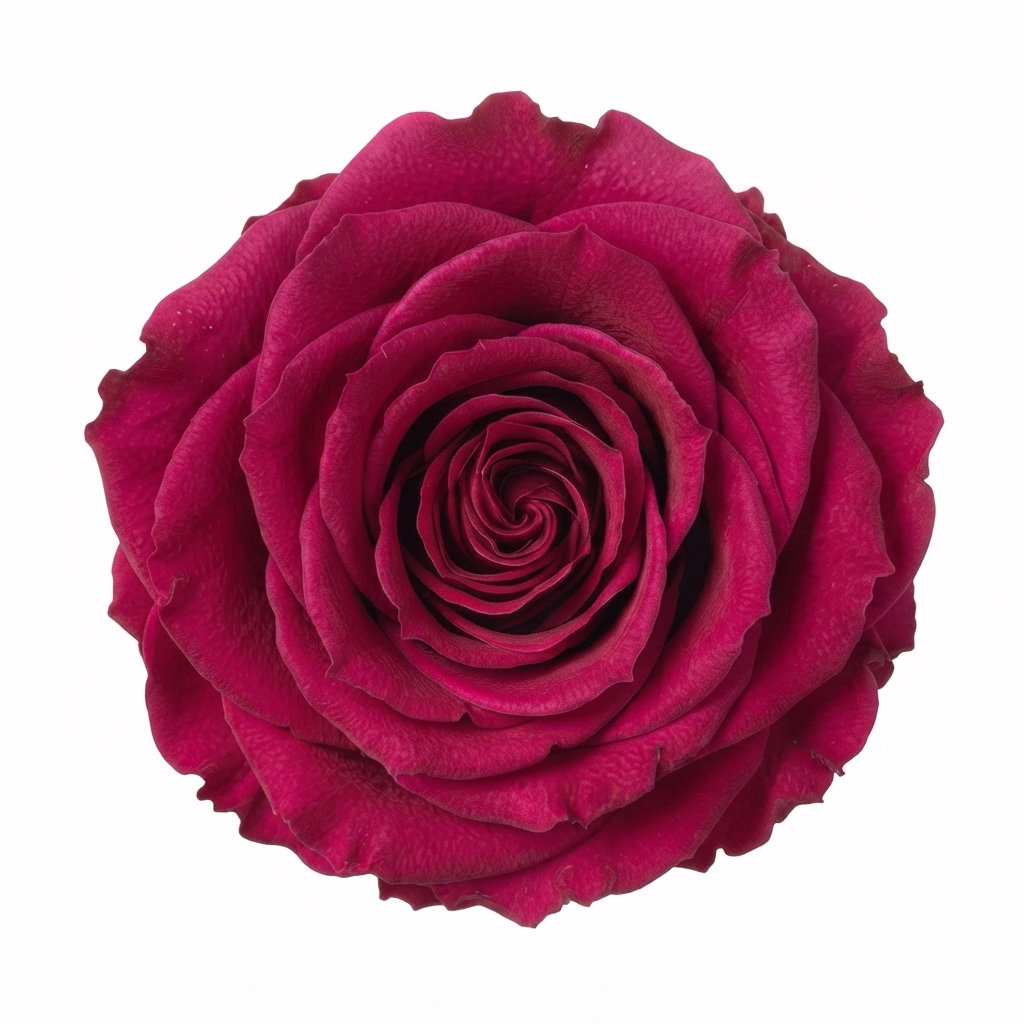
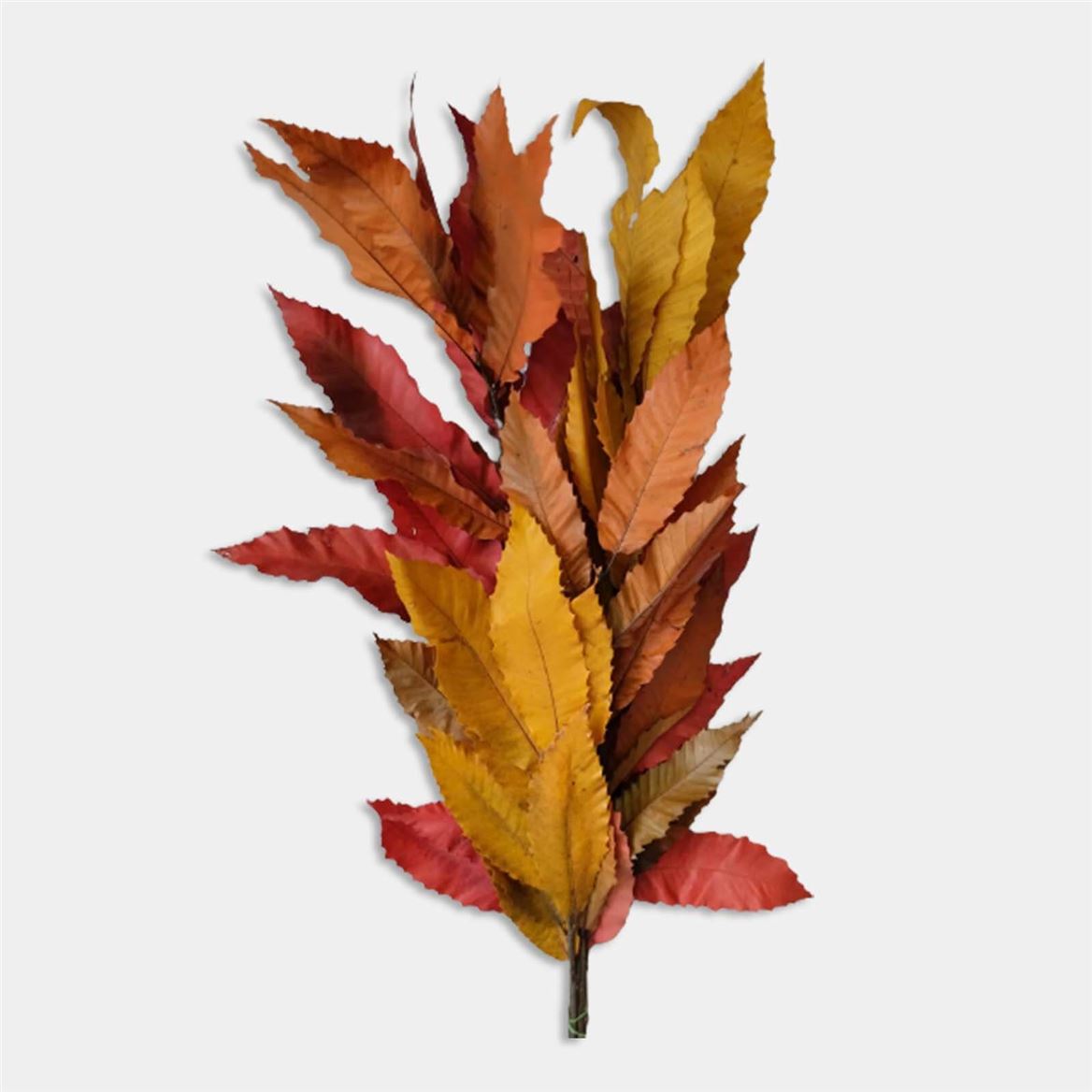
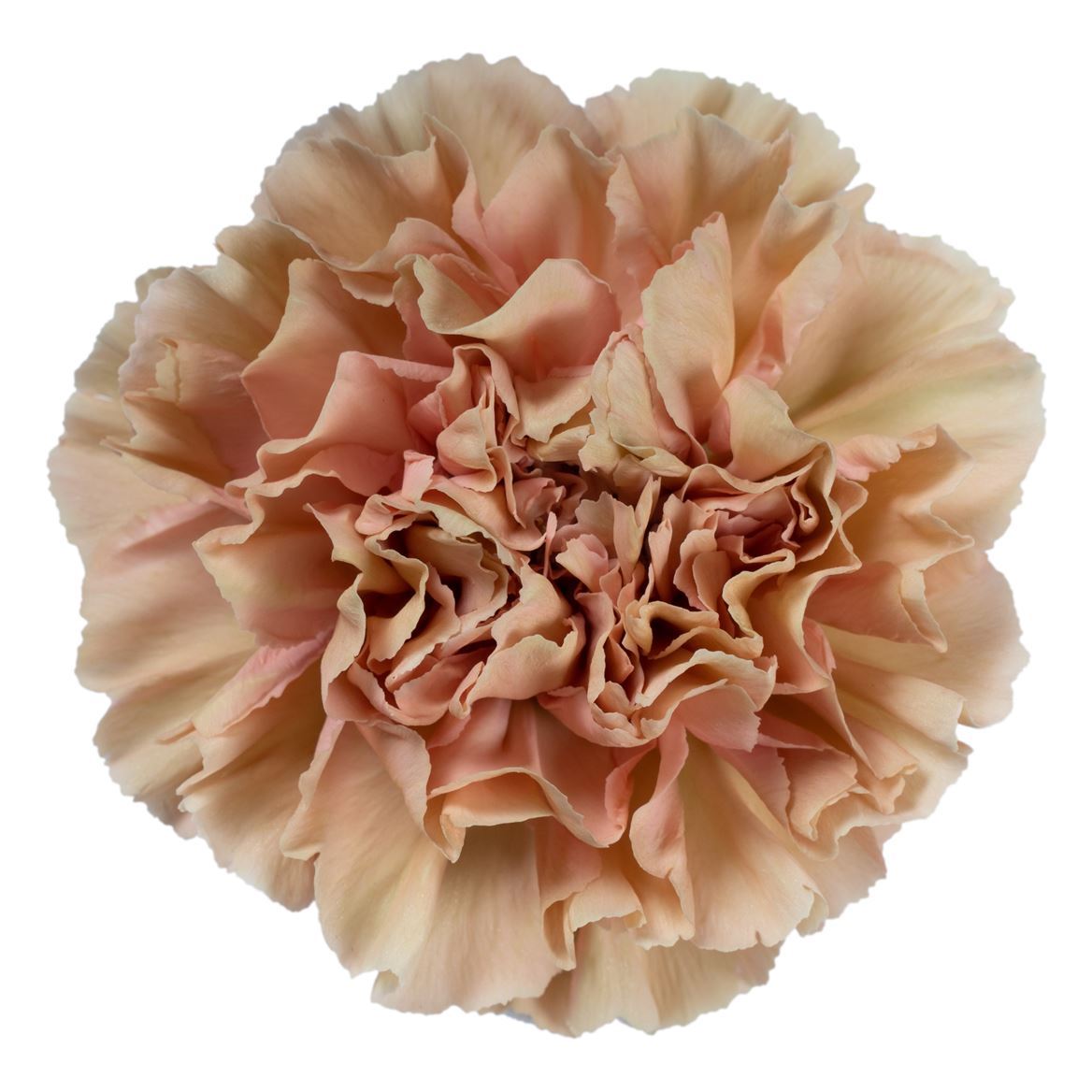
Use burgundy or wine red as the dominant tone, cream or ivory to create breathing space, and warm gold as an accent. Green can enter through the tree, artificial branches or botanical elements.
Give each texture a role
Velvet absorbs light and adds depth, metallic surfaces reflect it, and glass introduces transparency. Repeating the same texture in different areas makes the scheme feel intentional.
Christmas without a traditional fir tree
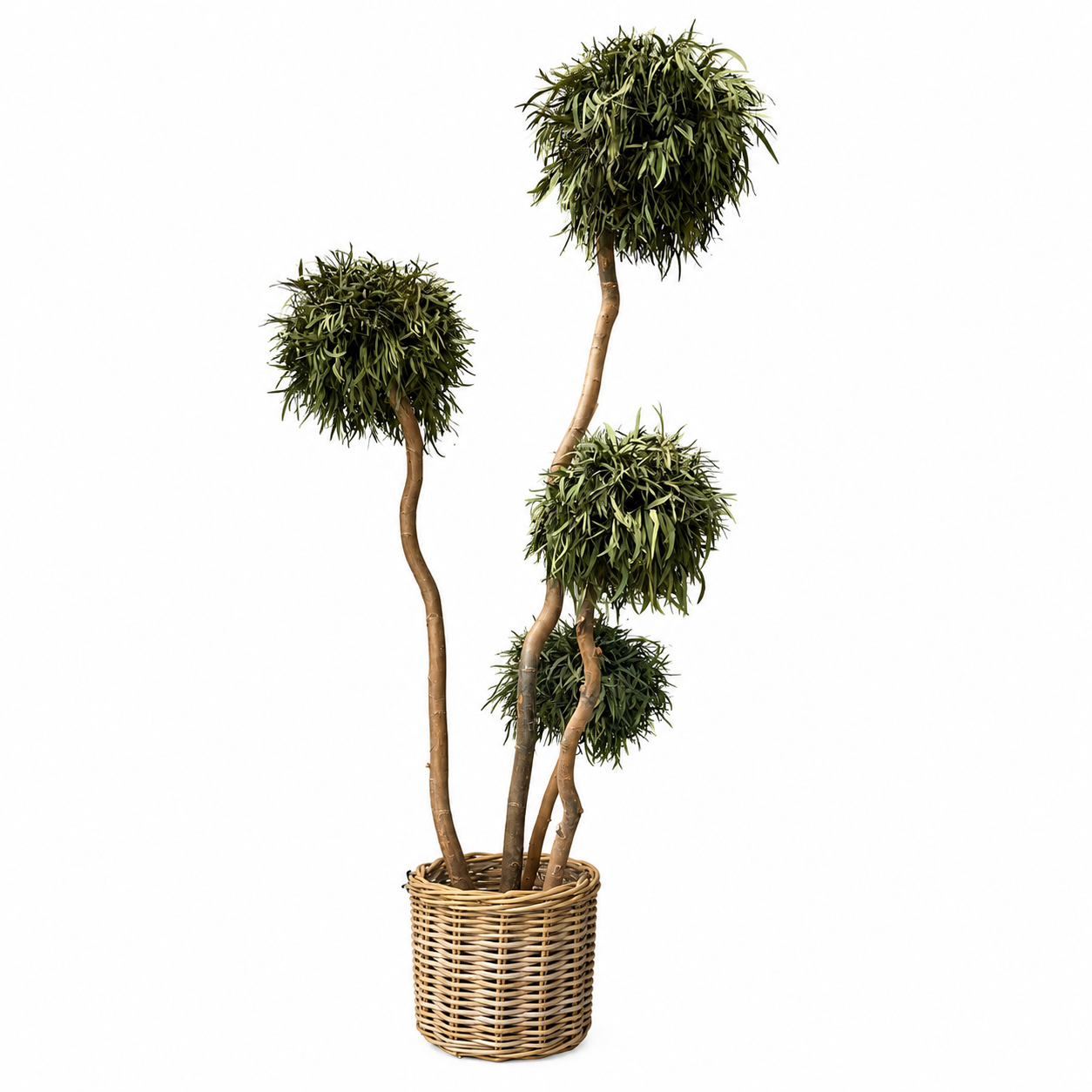
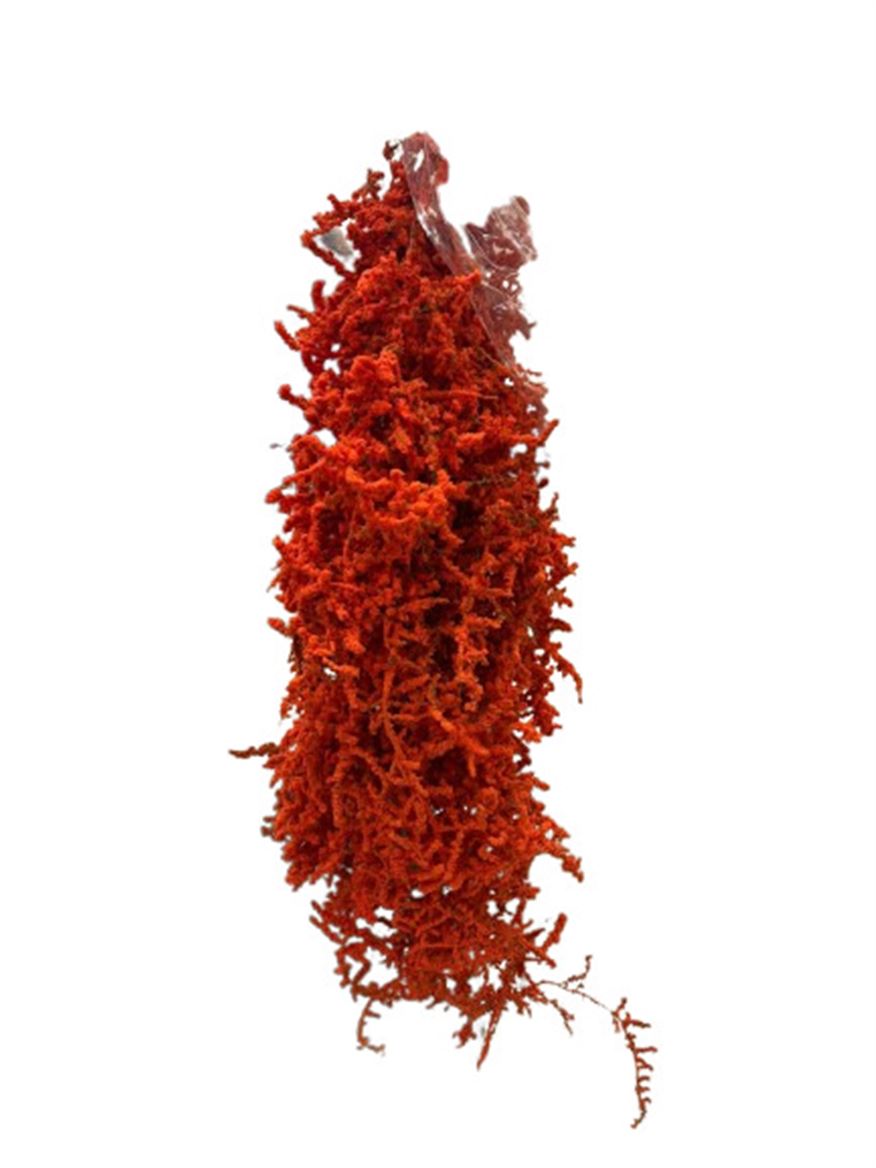
A burgundy Amaranthus botanical structure can become a sculptural alternative. Its vertical and trailing forms create movement and can support ribbons, small points of light and selected decorations.
It does not need to imitate a fir tree. The strength of the design lies in turning a botanical element into a recognisable festive feature.
How to decorate the structure
- choose one dominant colour;
- use a limited number of decorative ribbons to follow its movement;
- add small lights without hiding the form;
- concentrate decorations in two or three areas;
- keep the base clear and check stability.
Design the home by zones
Entrance
Introduce the palette and main material immediately through one vertical feature, wreath or well-lit botanical arrangement.
Living room
Place the main focal point here. Create a clear relationship between the tree or botanical structure, textiles and nearby surfaces without making every wall compete.
Dining table
Repeat colours and textures on a smaller scale. Keep sightlines and conversation clear; a few low repeated elements work better than an oversized centrepiece.
Hotels, restaurants and shops
Professional decoration must work with real circulation, photography, product visibility and safety. The design should therefore be scaled to the venue rather than copied from a home interior.
A five-step method
- Define the atmosphere. Choose three guiding words.
- Build the palette. One dominant colour, one neutral and one accent.
- Select the focal point. Tree, Amaranthus, fireplace, entrance or table.
- Repeat two materials. Use them in at least three zones at different intensities.
- Edit and check. Remove anything that does not support the scheme and review the room from its main routes.
Frequently asked questions
Does an alternative Christmas scheme have to avoid red?
No. Use deeper reds such as wine or burgundy and combine them with cream, green and metallic details.
How can different rooms feel connected without looking identical?
Repeat two elements, such as colour and ribbon, while varying their quantity and scale.
Can oversized baubles be part of this scheme?
Yes, as an accent rather than the main theme. For sizes, quantities and placement, see our oversized velvet bauble guide.
For the home: explore the MyFlower Christmas selection and build your palette with a few coherent elements.
For hotels, restaurants, shops and events: discover My Flower Pro for a scheme designed around the space and its circulation.