











How to Make Your Home Feel Welcoming: Fresh Flowers, Living Plants or Artificial Botanicals?
A welcoming home does not need to be full. It needs presence.
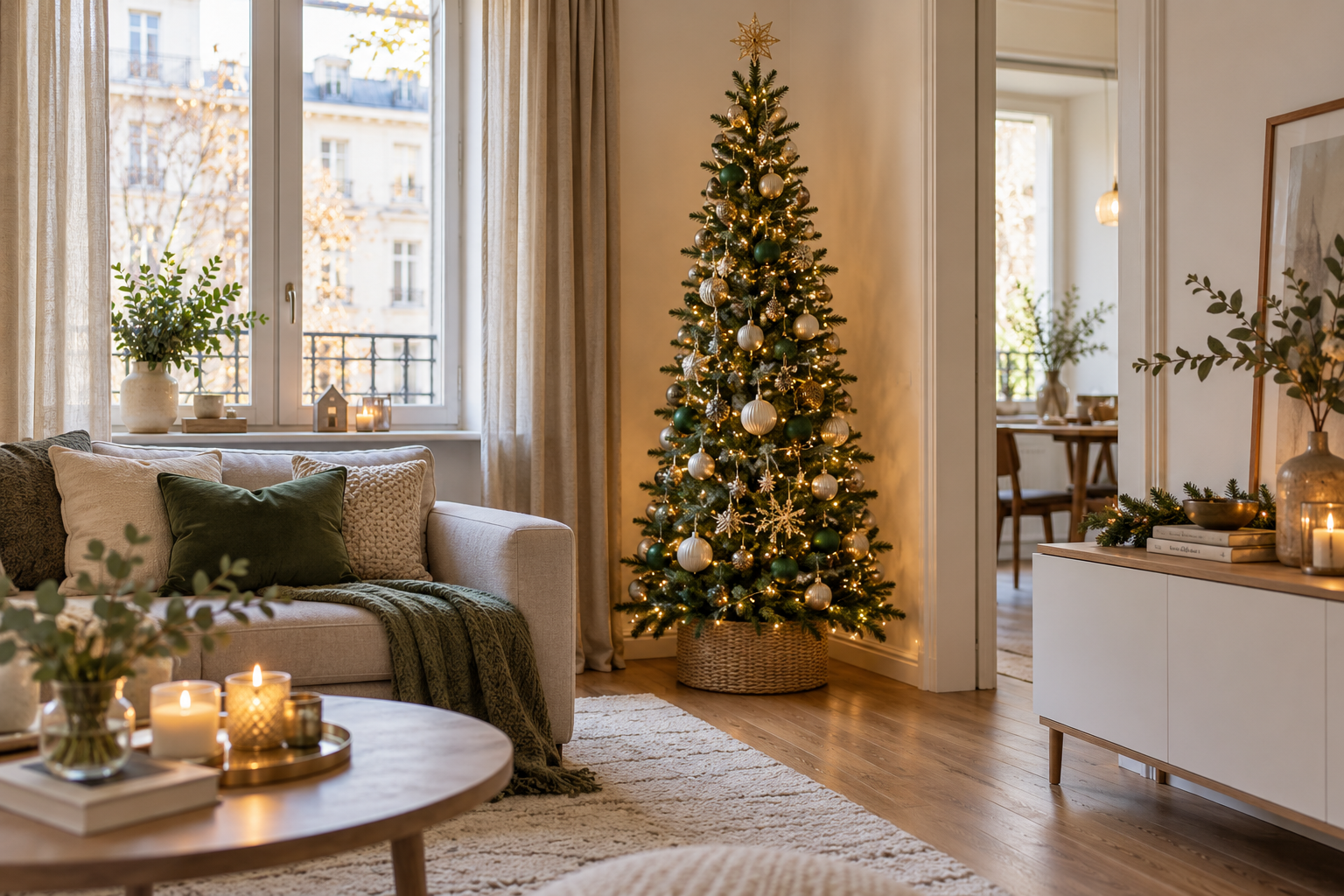
A flower on the table, a plant in a corner or a branch on a console can change the way a room feels. There is no single best solution: fresh flowers, living plants and artificial botanicals meet different needs.
The question is not “which is more beautiful?”
It is:
“What works best for the way I live in this space?”
Look at your space before choosing
Before buying a plant or arrangement, consider three things:
How much light is there?
A living plant has specific light and environmental needs. If the area you want to enhance is dark or difficult to reach, an artificial solution may be more suitable.
How much time do you want to dedicate to it?
Living plants need water, light and care. Fresh flowers need to be replaced periodically to maintain their freshness.
Artificial botanicals remove much of this maintenance and provide a consistent visual presence.
What do you want to achieve?
Fragrance, an arrangement to enjoy for a few days, a permanent green feature or simply a focal point?
Your answer will guide your choice.
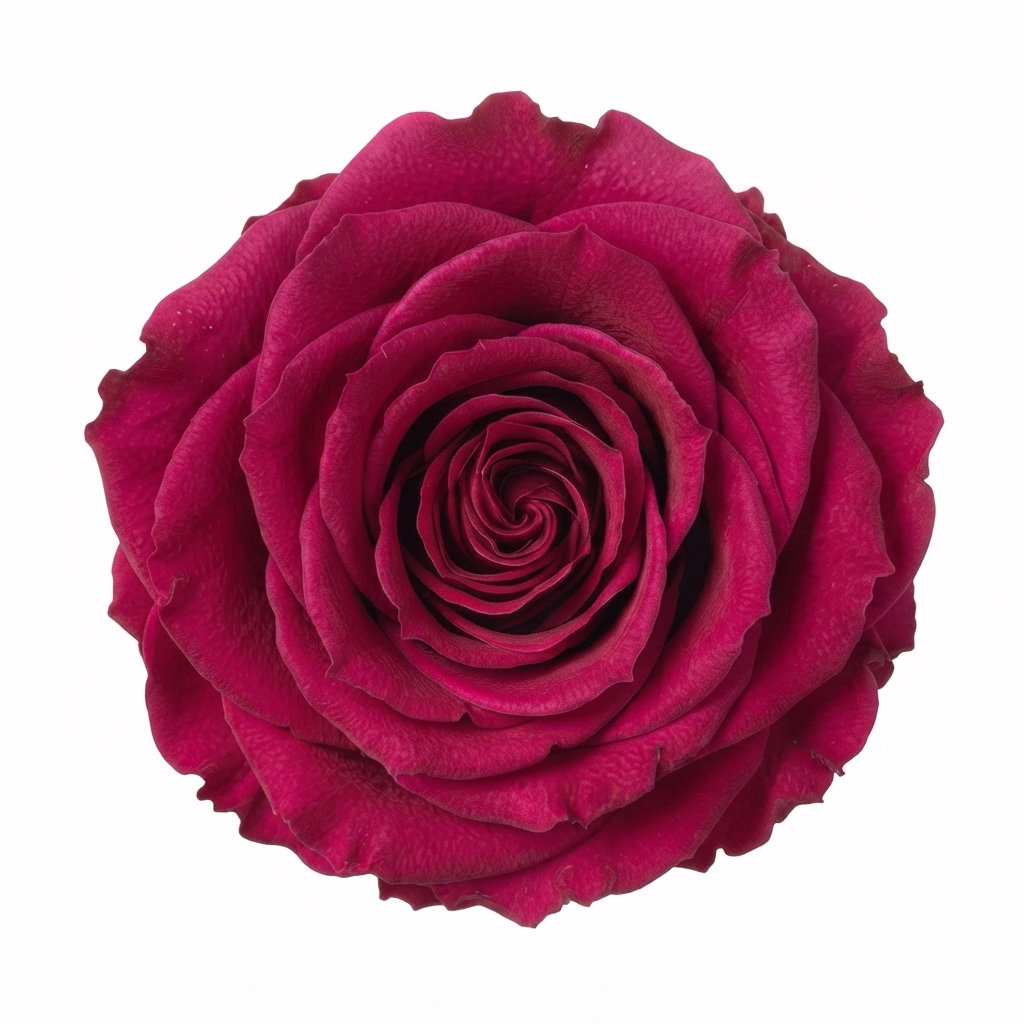
When to choose fresh flowers
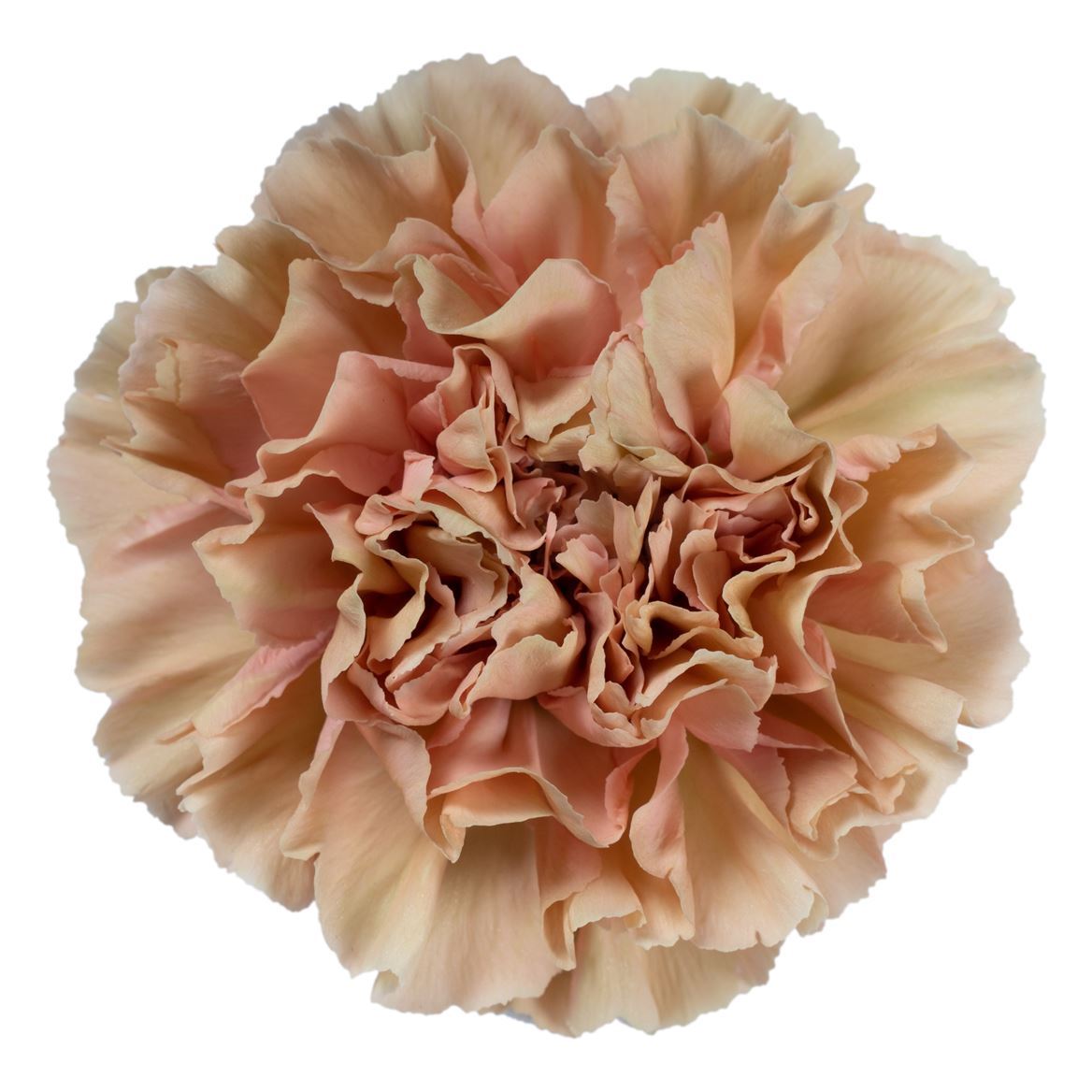
Fresh flowers work particularly well when you want your home to change with the seasons.
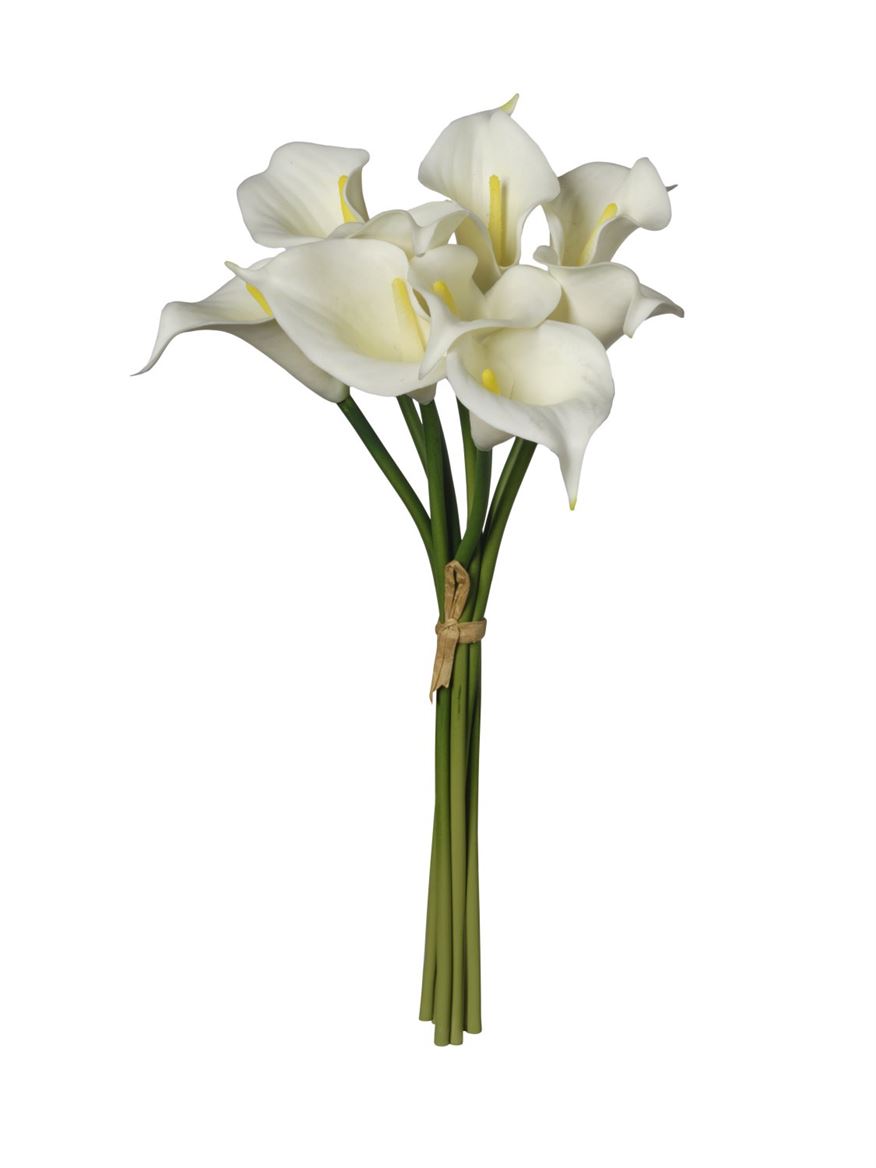
A bouquet on the table can accompany a dinner, a special occasion or simply a moment in your week.
They are an excellent choice if you are looking for:
- fragrance and a natural feeling;
- seasonal variety;
- arrangements that change over time;
- a feature you can renew frequently;
- a decorative presence connected to a particular moment.
Their limitation is precisely what makes them special: they do not last forever.
That does not have to be a disadvantage.
Sometimes beauty also lies in knowing that the arrangement will look different in a few weeks.
When to choose a living plant
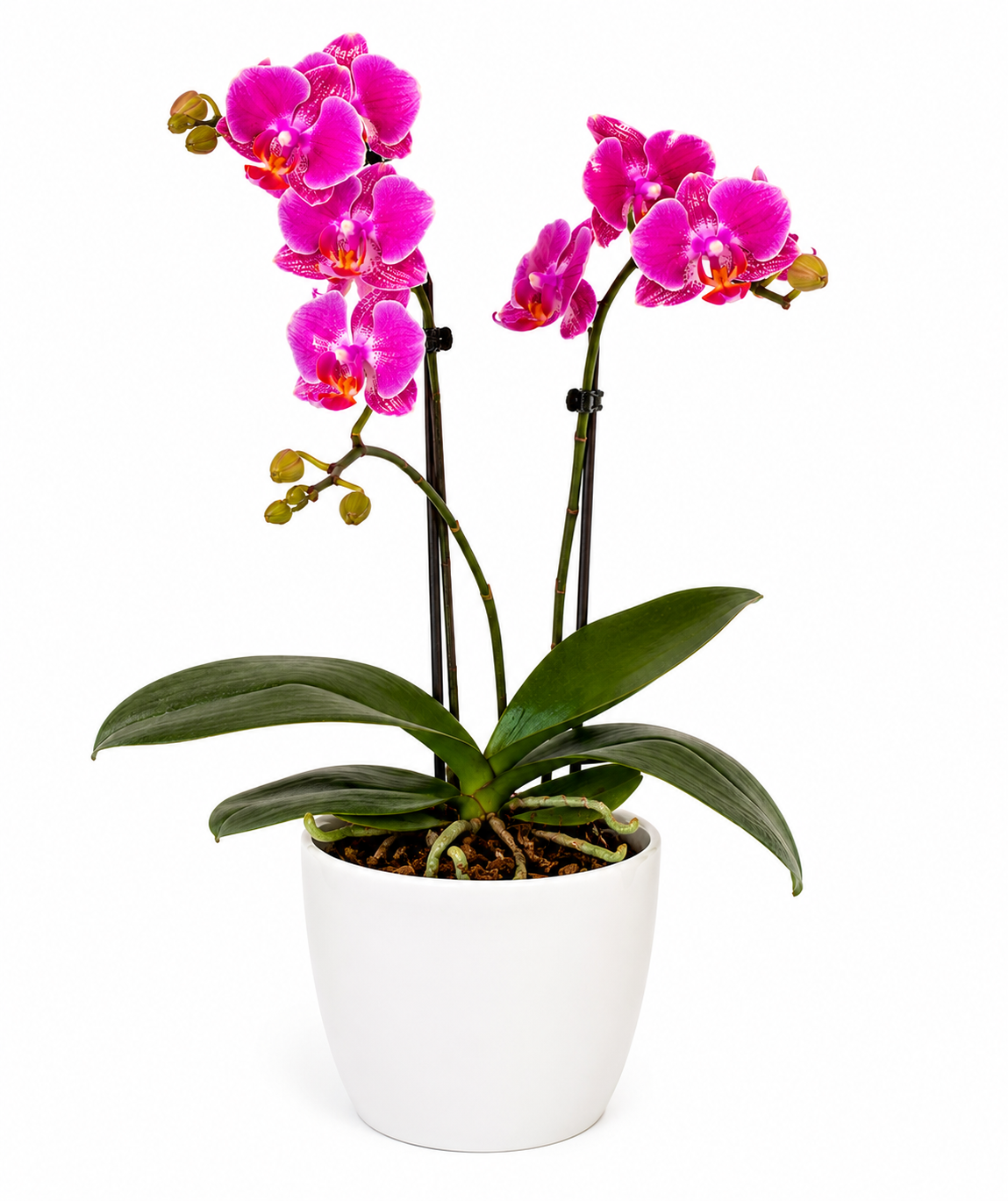
Living botanicals suit those who want to care for an element of their home.
A plant can grow, change and become part of the space over time.
It is a good choice when you have:
- light suitable for the species;
- time for maintenance;
- enough space;
- the desire to care for the plant.
Your decision should begin with the plant and its needs, not only with its appearance.
A beautiful plant in the wrong place is still the wrong choice.
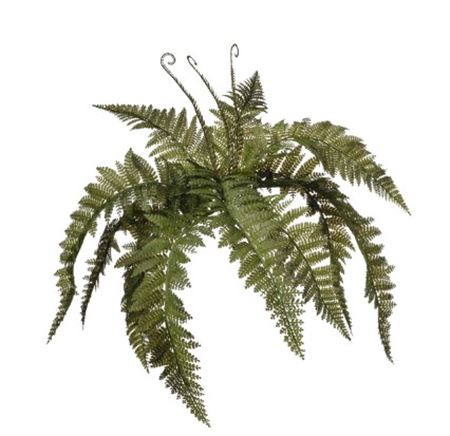
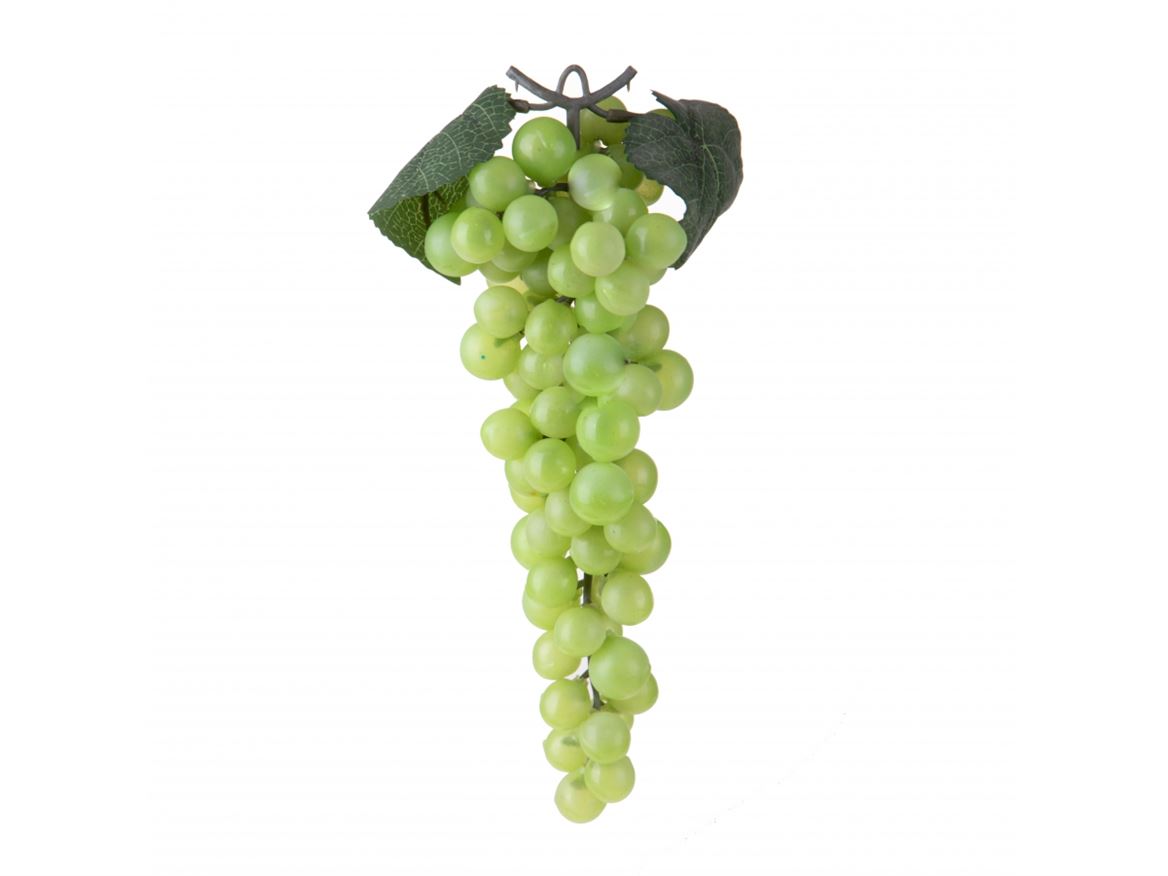
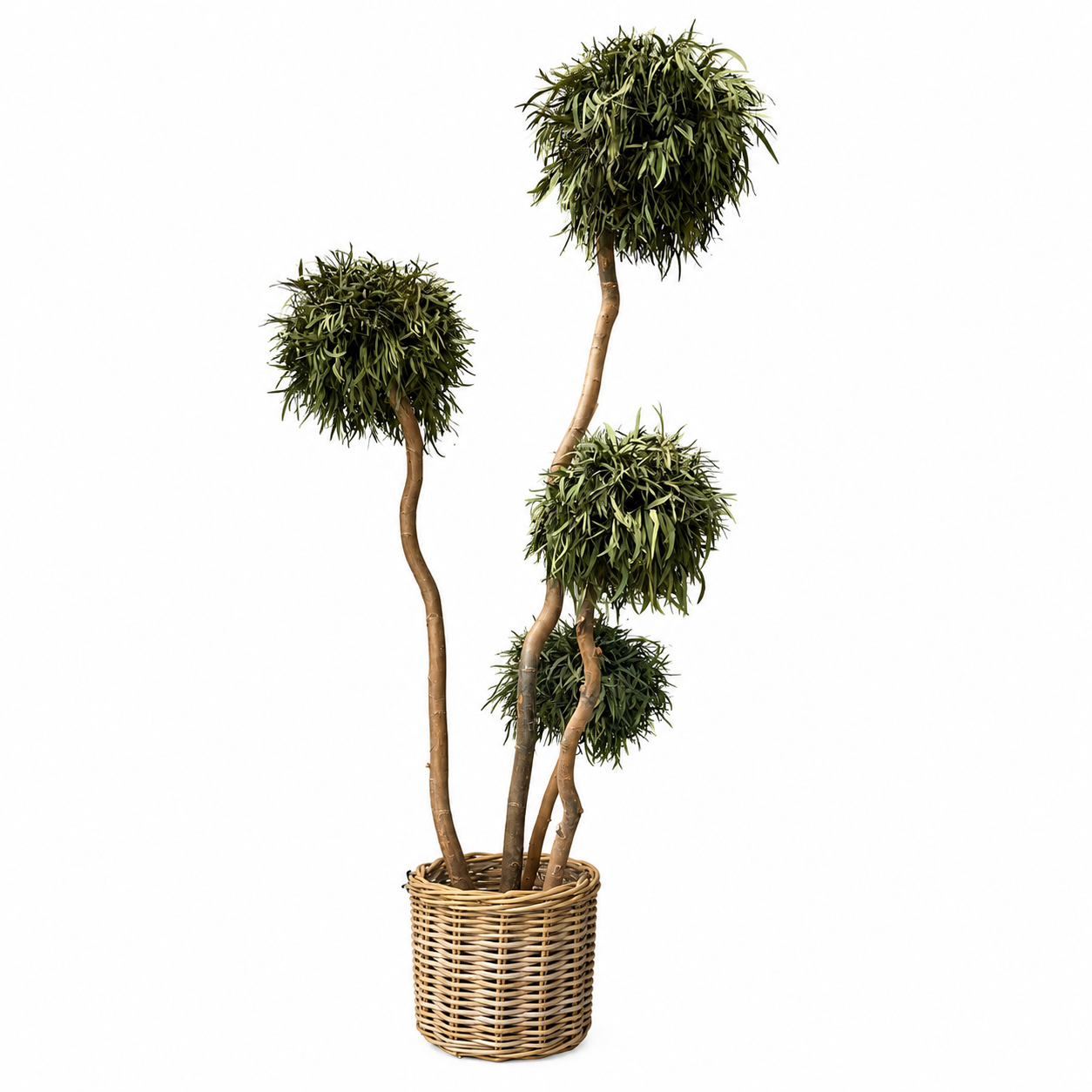
When to choose artificial botanicals
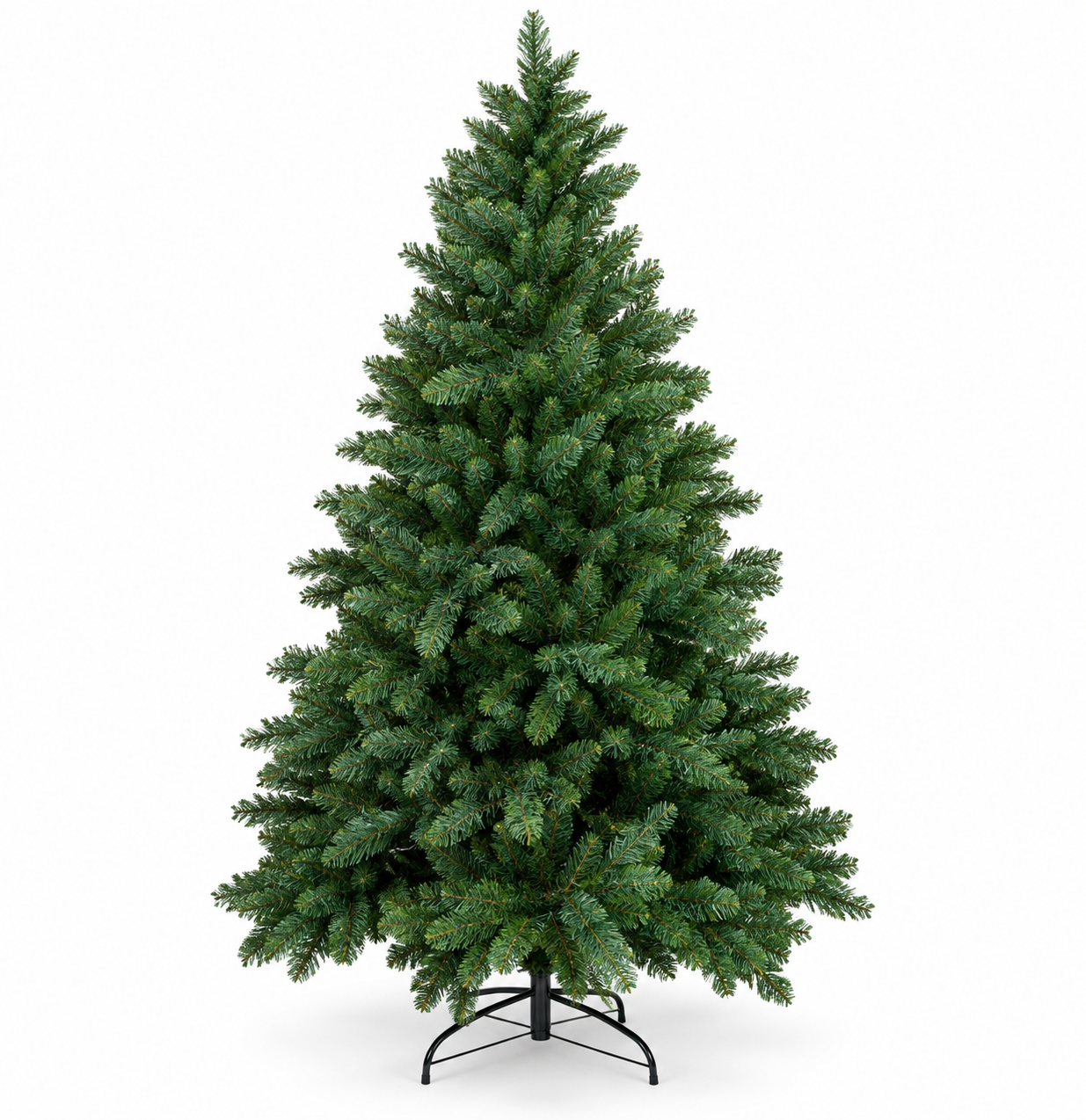
Some spaces need greenery even when you cannot, or do not want to, manage it every day.
A dim entrance. An office. A shop. A second home. A hard-to-reach corner. A room you want to keep orderly even when you cannot look after it regularly.
In these situations, an artificial plant or arrangement can be a practical solution.
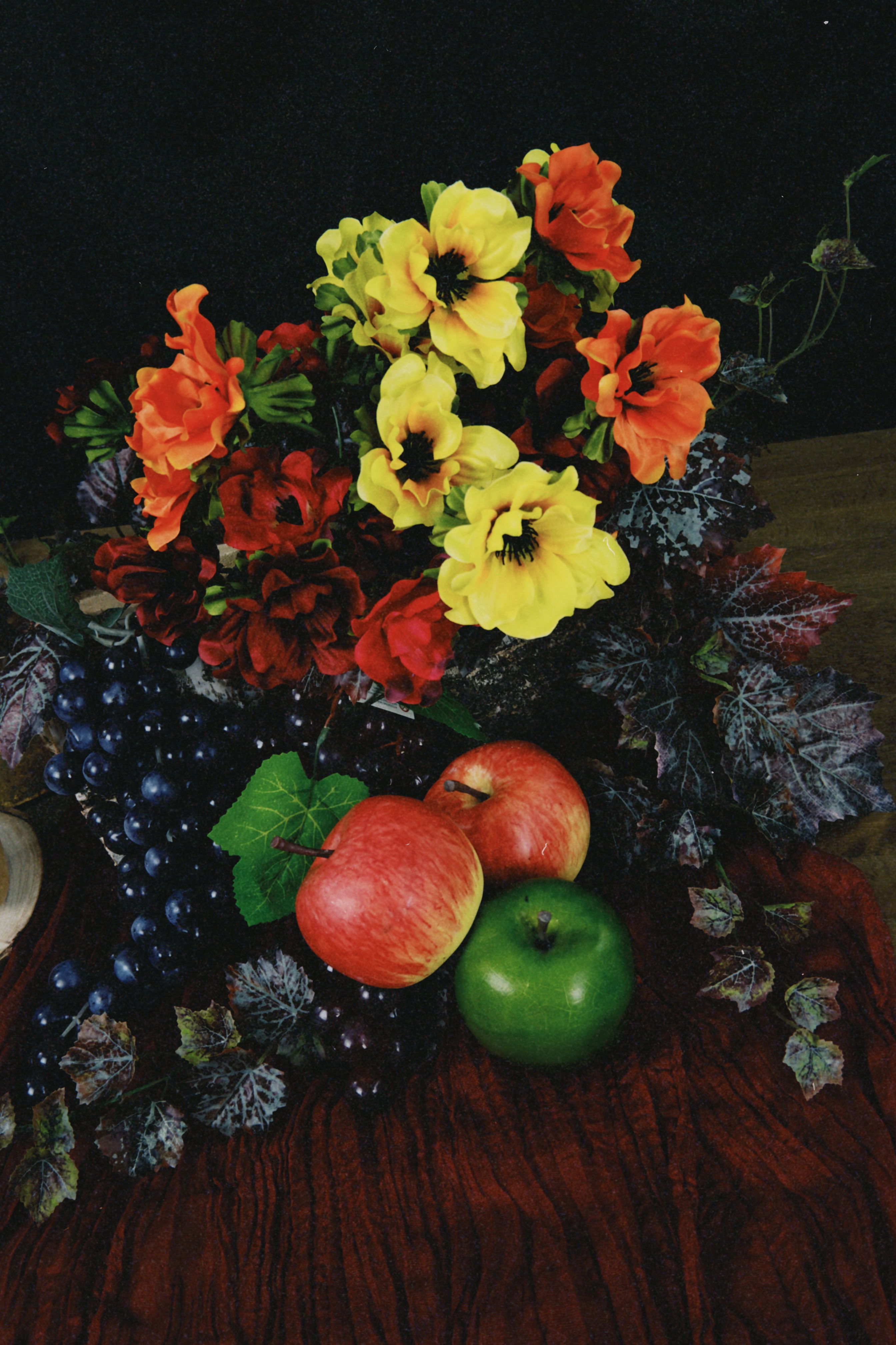
Its strength is visual continuity: it does not grow or wilt and does not require watering.
This does not mean it is “better”.
It means it may be more suitable for that particular need.
What if you do not have to choose?
The most interesting solution may be to combine them.
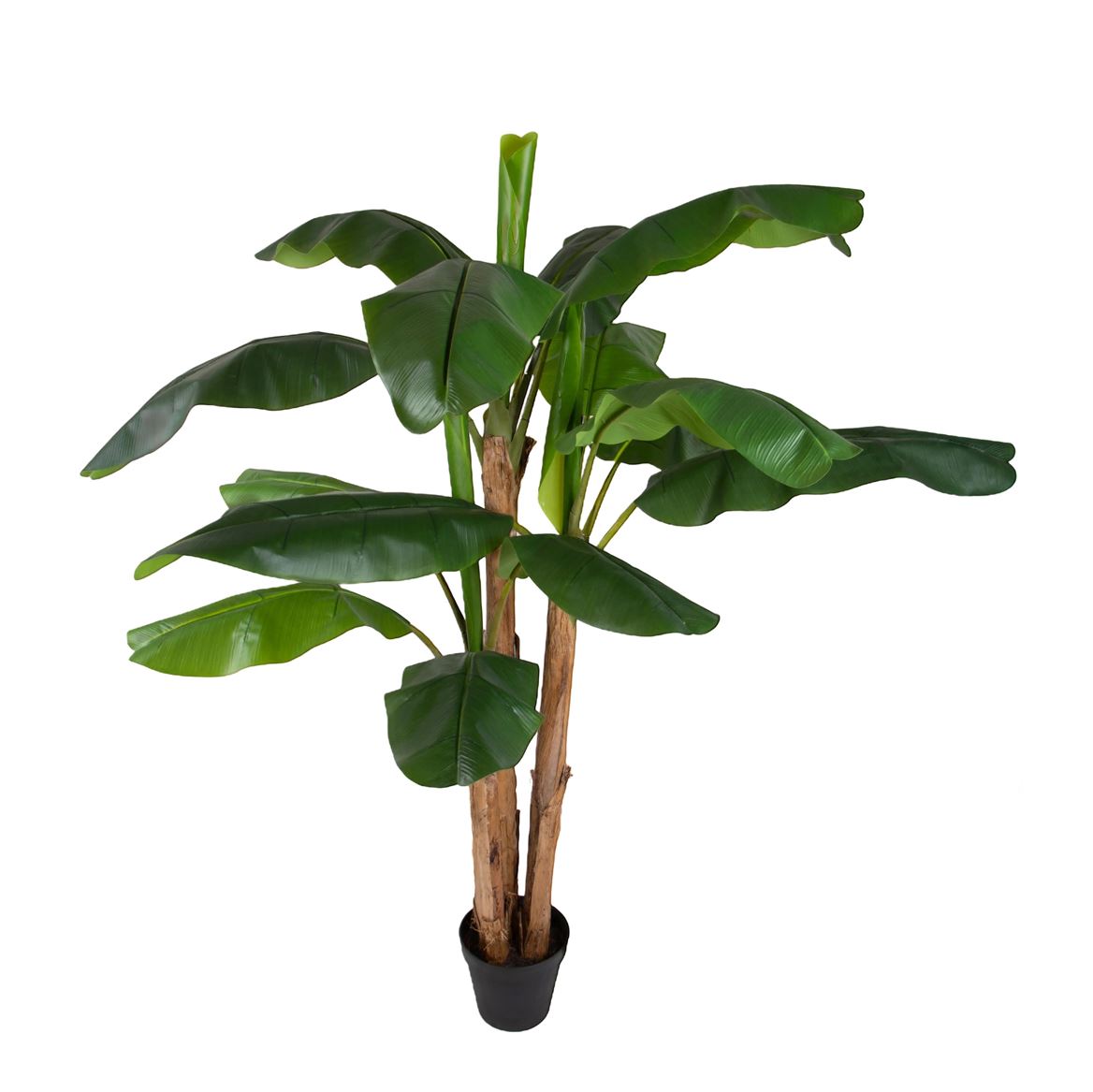
A home can have a large artificial plant in a darker corner, fresh flowers on the table at the weekend and living plants near the windows.
Not everything needs to be made from the same type of botanical material.
Everything simply needs a relationship.
Use shared colours, materials and proportions to create continuity between different elements.
My Flower’s advice
When choosing between fresh and artificial, do not begin with the product.
Begin with the scene.
What happens in that part of the home?
If it is the table where you dine every evening, a fresh arrangement may accompany that moment beautifully.
If it is a corner you want to enhance throughout the year, an artificial plant may be more practical.
If it is near a window and you enjoy caring for plants, living botanicals can become part of your routine.
Decoration works when it adapts to life, not when life has to adapt to the decoration.
Are flowers and plants suitable for a home with children?
It depends on the species and where it is placed.
With fresh plants and flowers, always check the species you choose. Some plants can be toxic if ingested by children or pets. The ASPCA maintains specific lists of plants that are toxic and non-toxic to dogs and cats.
When young children are present, choose species known to be safe and keep plants and arrangements out of their reach.
Artificial botanicals also require care. Avoid arrangements with small, easily removable parts if very young children may reach them.
What about dogs and cats?
Again, there is no answer that applies to every plant.
Dogs and cats may bite or ingest leaves and flowers, so check the species before purchasing.
If you have curious pets, also consider placement. Even a non-toxic plant may be damaged or cause gastrointestinal discomfort if ingested.
For artificial botanicals, check the materials, the stability of the pot and the presence of small or detachable parts.
So, fresh or artificial?
There is no single winner.
| If you want... | You could choose... |
|---|---|
| Fragrance and seasonality | Fresh flowers |
| A plant to care for | Living botanicals |
| A consistent presence | Artificial botanicals |
| Low maintenance | Artificial botanicals |
| An arrangement to renew | Fresh flowers |
| A corner with little light | Artificial botanicals |
| An element that grows over time | Living botanicals |
The best choice is the one that respects your space, your time and the way you want to live in it.
Because decorating does not mean filling a room.
It means choosing what makes sense for you.
Bring your spaces to life.