





Your First Shop Display: Where to Begin
Your first shop display should not begin with a list of objects.
It should begin with one question:
How do I want people to feel when they enter?
Before the products, windows and decorations, there is a perception. A shop can communicate calm, energy, elegance, natural beauty, creativity or exclusivity before a customer has even looked at a single product.
The purpose of the display is to create that feeling.
Plan the customer journey before the decoration
Draw a simple floor plan of the space.
Mark:
- the entrance;
- the shop window;
- the checkout;
- waiting areas;
- walkways;
- blind spots;
- the products you want to highlight.
You do not need a complex plan to understand where a decorative element will help and where it may become an obstacle.
Above all, define an initial focal point.
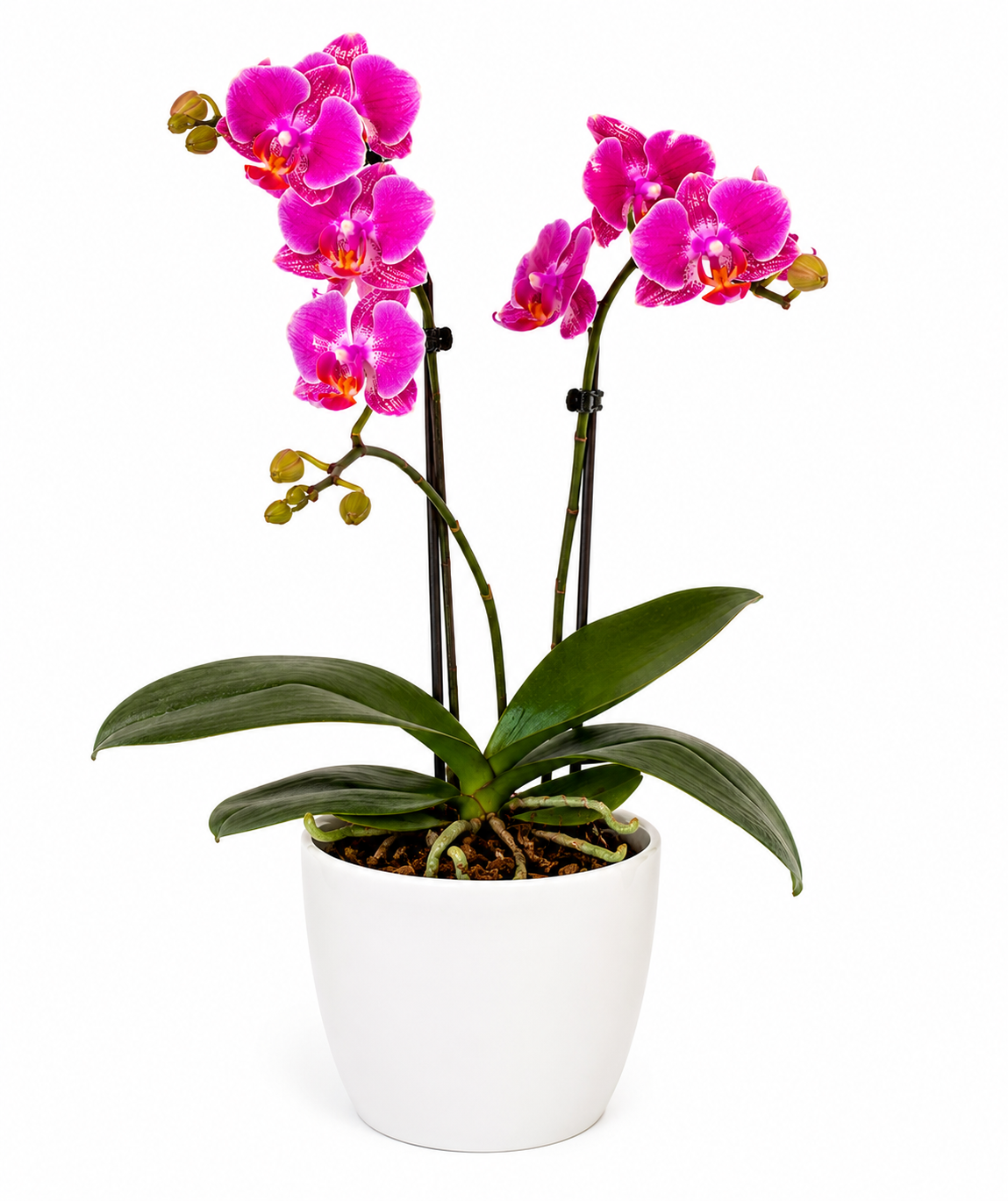
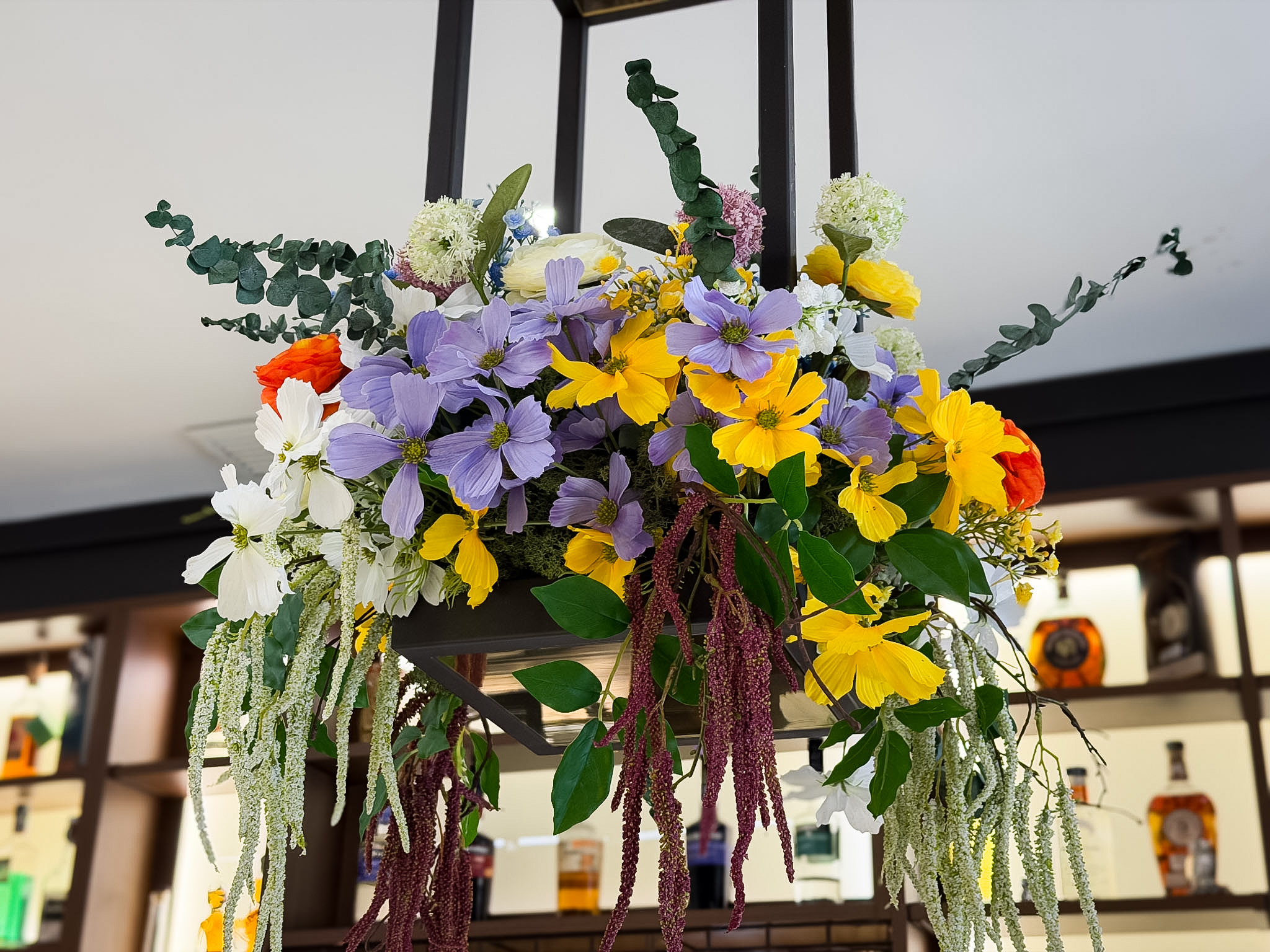
If every surface competes for attention, the shop feels visually noisy. A statement branch, botanical arrangement, seasonal window or textured feature can guide the eye towards what you want customers to discover.
The best display does not demand attention everywhere.
It knows where to direct it.
Do not simply furnish the space: create an atmosphere
When you enter a space, you experience more than what you can see.
You also perceive materials, textures, fragrances, light and proportions.
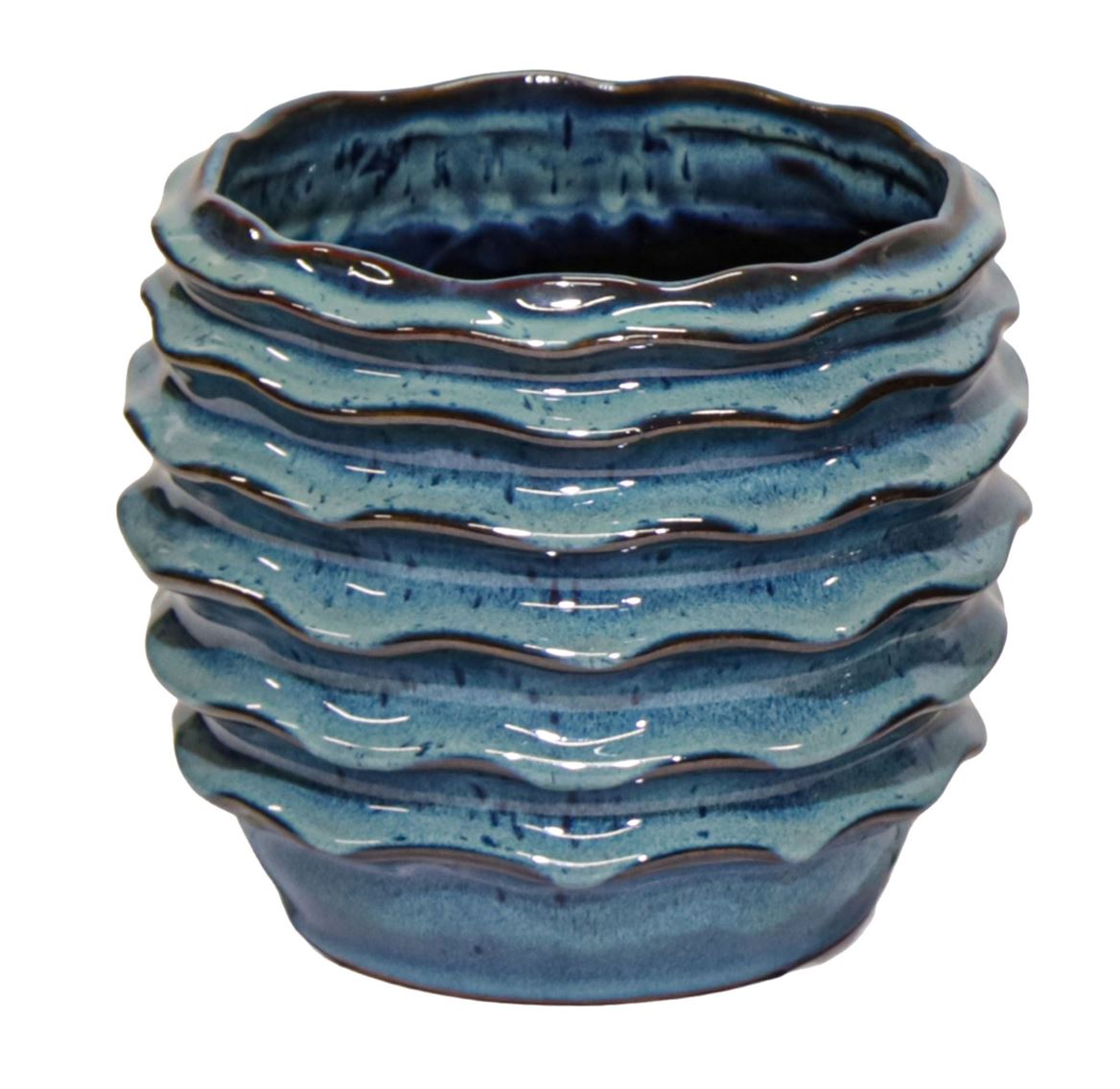
A ceramic vase creates a different feeling from a glass one. A soft fabric can make a corner feel warmer. Wood introduces a natural quality, while greenery adds height and presence.
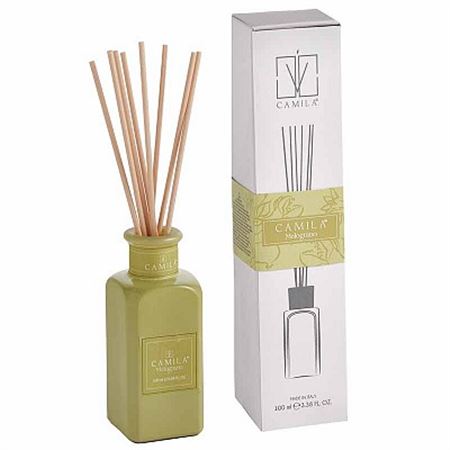
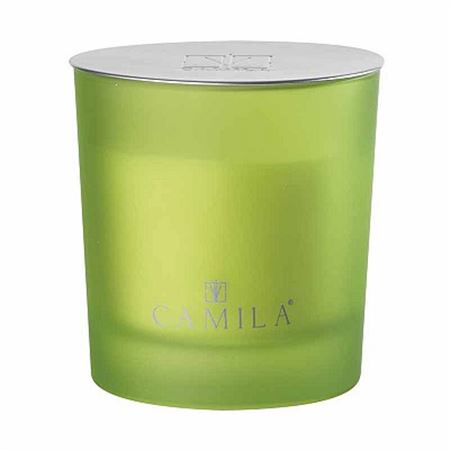
Fragrance can also become part of the identity of a place.
It does not need to be intense. A subtle fragrance that suits the setting and the brand message is often more effective.
The goal is not to overwhelm the senses.
It is to make them work together.
Choose materials according to the feeling you want
Before choosing a product, ask yourself what feeling you want to create.
Natural
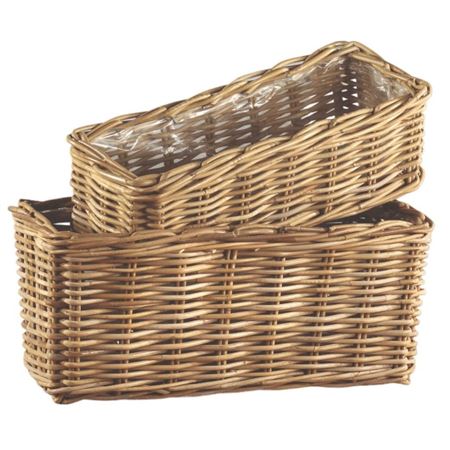
Wood, ceramics, fibres, branches and greenery can create a more organic and relaxed setting.
Elegant
Glass, metals, clean surfaces and minimal arrangements can create a lighter, more refined effect.
Warm
Fabrics, matt materials, soft tones and richly textured arrangements can make the space feel more welcoming.
Contemporary
A few carefully selected elements, defined shapes, controlled contrasts and plenty of open space can communicate a more modern aesthetic.
There is no single right material for every shop.
The right choice is the one that supports the experience you want to create.
Divide your materials into three groups
An effective display must also consider what happens after the photographs have been taken.
Divide the elements into three groups.
Visual materials: flowers, greenery, branches, colours and fabrics. They attract attention and guide the eye.
Structural materials: vases, containers, supports and bases. They give the arrangement its shape.
Practical materials: ribbons, packaging, fastening systems and replacements. They keep the display working every day.
Overlooking the third group is one of the most common reasons why displays look beautiful in photographs but are difficult to manage in daily use.
Fresh, living or artificial?
There is no universal answer here either.
Fresh flowers can be ideal when you want to introduce fragrance, seasonality and an element that changes over time.
Living plants can become part of the shop’s identity when the space offers suitable light and conditions and the team can manage their care.
Artificial botanicals are particularly useful when you need a consistent presence, have limited natural light or when daily maintenance would be impractical.
The choice should not follow a trend.
It should reflect the real life of the shop.
My Flower’s advice: design what customers will remember
Try entering the shop as if it were your first visit.
What do you see in the first three seconds?
What do you touch?
Which materials do you notice?
Is there a fragrance?
Where does your eye settle?
And most importantly:
how do you feel when you leave?
This is the part of shop design that is often forgotten.
A shop can be beautiful without being memorable. It can also use only a few elements, all designed around one precise feeling.
A distinctive branch at the entrance. An arrangement on the counter. A material repeated in several places. A subtle fragrance.
Small signals that work together to create an identity.
Design the maintenance too
Who will clean the display?
How often?
What happens if an element breaks?
What will need replacing?
A sustainable display is one that the team can maintain without interrupting its work.
This is why artificial or preserved solutions can be useful, but they should be selected for the context rather than simply because they require less care.
Beauty needs to last beyond opening day.
How much does it cost to fit out a shop?
There is no standard budget.
The cost depends on the size of the space, number of elements, materials, duration of the display and level of maintenance required.
Before setting a budget, clarify three things:
what you want to highlight, what experience you want to create and how long the display needs to last.
From there, you can decide where to invest and where to keep the solution simpler.
A display should not fill the space. It should tell a story.
Your first display does not need to demonstrate how many things can fit inside the shop.
It should demonstrate how well you know what to leave out.
A clear journey. A recognisable material. A subtle fragrance. A touch of greenery. An arrangement that draws the eye.
Then the product.
Because before customers remember what they saw, they may remember how they felt when they entered.
Bring your spaces to life with MY FLOWER PRO.